How Long Does Cannabis Oil Stay in Your System? THC Detection Times Explained
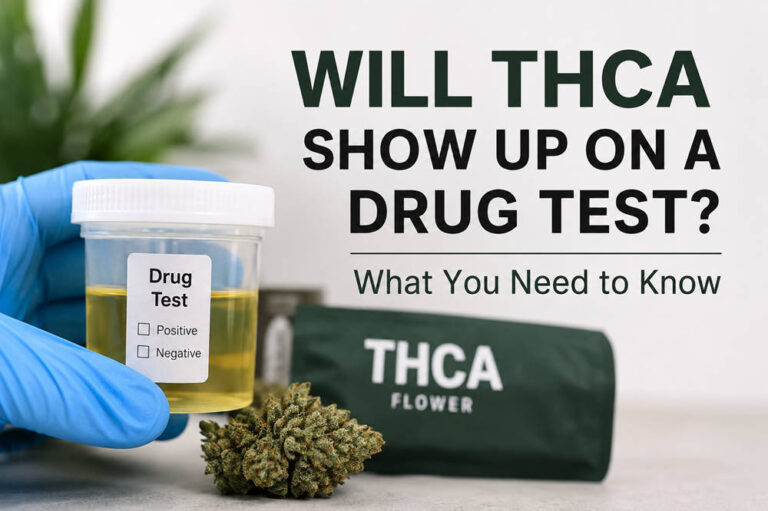
THC from cannabis oil may remain detectable for a few days after occasional use or for several weeks after frequent use. The actual timeline depends on the amount of THC consumed, how often it is used, the type of drug test and the test’s reporting threshold.
The noticeable effects of cannabis oil usually end long before every trace of THC or its metabolites leaves the body. As a result, a person may feel sober while still producing a positive drug-test result.
This article focuses mainly on swallowed cannabis oils and tinctures. Cannabis vape oils are absorbed differently and may produce a different pattern of THC exposure.
What Type of Cannabis Oil Is Being Used?
“Cannabis oil” can describe several products with very different cannabinoid profiles:
- THC-dominant oils and tinctures
- Balanced products containing both THC and CBD
- Full-spectrum CBD oils containing some THC
- Broad-spectrum CBD oils intended to exclude THC
- CBD isolate mixed with a carrier oil
For conventional marijuana testing, the most important factor is whether the oil contains THC. Standard tests generally look for THC or compounds produced when the body processes it, not for CBD alone.
A product described as hemp-derived or CBD-rich is not necessarily THC-free. Anyone subject to workplace testing should check the cannabinoid content rather than relying only on the product’s name.
How the Body Processes THC From Cannabis Oil
When cannabis oil is swallowed, THC passes through the digestive system and liver before entering the bloodstream. This produces a slower and more variable pattern than smoking or vaping.
The liver converts some of the THC into 11-hydroxy-THC, an active metabolite associated with orally consumed cannabis. THC is then broken down further into inactive metabolites, including THC-COOH.
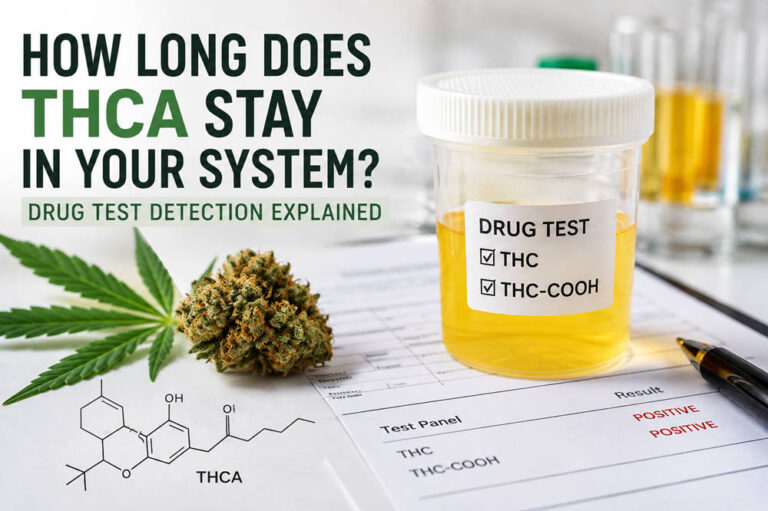
Urine tests commonly look for THC-COOH rather than active THC. Because this metabolite can remain after the effects have ended, urine testing is better at identifying previous exposure than determining whether someone is currently impaired.
How Long Is Cannabis Oil Detectable?
No table can predict an individual result with certainty. Drug tests use specific reporting cutoffs, and a sample is normally reported as positive only when the targeted substance reaches or exceeds that threshold. The testing method, specimen and cutoff can therefore change the practical detection period.
| Test type | General detection pattern |
|---|---|
| Urine | Often several days after occasional use; potentially several weeks after frequent or chronic use |
| Blood | Generally reflects more recent exposure, although frequent use can extend detection |
| Oral fluid | Usually used to identify recent exposure, commonly within several hours to about two days |
| Hair | May reflect exposure over approximately 90 days, depending on the length of hair tested |
Urine Tests
Urine is one of the most common specimens used for workplace and clinical drug testing. Most cannabis urine tests look for THC-COOH, an inactive metabolite that remains after the body has processed THC.
After occasional use, THC metabolites may remain detectable for several days. A sensitive laboratory assay may sometimes find them for more than a week after a single exposure.
The window can be considerably longer for someone who uses THC regularly. Mayo Clinic Laboratories notes that THC-COOH can be detected for more than seven days after a single use with a sensitive confirmation test and may continue to be excreted for 30 to 60 days after chronic use stops.
These figures are laboratory observations rather than deadlines. A different test with a higher cutoff may become negative sooner, while frequent exposure or a more sensitive assay may produce a longer detection period.
Blood Tests
Blood testing generally focuses on more recent THC exposure than urine testing. Active THC usually declines relatively quickly, but the rate is influenced by the dose, time since consumption and history of use.
Frequent users may retain low cannabinoid concentrations after the noticeable effects have ended. This makes it difficult to interpret a blood result through a universal number of hours or days.
Oral cannabis adds another complication because THC is absorbed gradually through digestion. A blood result must therefore be considered alongside the collection time, product type, testing method and pattern of use.
Saliva or Oral-Fluid Tests
Oral-fluid tests are generally used to identify relatively recent exposure. Depending on the substance, dose and route of administration, Labcorp describes a general oral-fluid window ranging from several hours to about 48 hours.
That range is not specific to every THC product or every testing device. The cutoff, collection method and frequency of cannabis use can all affect the result.
Smoking or vaping may leave THC residue in the mouth shortly after use. Swallowed oils do not create the same smoke-related exposure, although direct contact with the oil and THC circulating in the body can still affect oral-fluid results.
Hair Tests
Hair testing can provide a longer history of exposure than urine, blood or oral fluid. A sample of scalp hair may represent approximately 90 days when the laboratory analyzes about 1.5 inches of growth.
Hair testing cannot identify the exact date an oil was consumed. It is also less useful for detecting very recent use because the affected hair must grow beyond the scalp before it can be collected.
The period represented depends on the length and location of the sample. Cosmetic treatments, individual hair growth and laboratory procedures may also affect interpretation.
Why Detection Times Vary
THC Dose
A larger THC dose gives the body more THC to absorb, metabolize and eliminate. The total size of the bottle is less important than the amount of THC actually consumed.
Frequency of Use
Someone who takes cannabis oil once will usually have a shorter detection period than someone who uses it daily. Repeated exposure can lead to the accumulation of THC and its metabolites, particularly in frequent users.
Duration of the Use Pattern
Using THC daily for several months may produce a longer detection period than using it on several consecutive days. How long the pattern has continued can matter alongside how recently the last dose was taken.
Individual Differences
Metabolism, body composition, age and general health can affect how cannabinoids are distributed and eliminated. These factors help explain why two people who take similar products may not receive the same result.
They cannot, however, be entered into an online calculator to predict a guaranteed negative-testing date.
Test Cutoff and Laboratory Method
A test does not report every trace molecule. It reports a positive result when the targeted analyte reaches the method’s cutoff.
Initial screening tests and laboratory confirmation tests may use different techniques and thresholds. A positive preliminary screen is often followed by a more specific confirmatory test to identify the substance more accurately.
Can CBD Oil Cause a Positive Cannabis Test?
CBD itself is not normally the target of a standard marijuana test. A positive result is more likely to come from THC present in the CBD product.
Full-spectrum CBD oil may contain small amounts of THC because it retains a wider range of compounds from the cannabis plant. Broad-spectrum products are generally intended to exclude THC, while CBD isolate is intended to contain only CBD.
Those descriptions do not guarantee a negative test. The amount consumed, frequency of use, batch composition and test sensitivity all matter.
A certificate of analysis can help identify the cannabinoids detected in a particular batch. It should match the product’s batch number and include results for relevant forms of THC. Even a valid laboratory report cannot promise how an individual drug test will turn out.
The Department of Transportation warns safety-sensitive employees that CBD products may contain enough THC to produce a marijuana-positive result. CBD use is not accepted as an explanation for a confirmed positive result under the DOT testing program.
Does a Positive Result Mean Someone Is Impaired?
A positive drug test does not automatically prove that someone is currently impaired.
Urine testing primarily identifies THC metabolites left after previous exposure. Blood and oral-fluid tests generally focus on more recent use, but they still do not function like a blood-alcohol measurement.
The CDC notes that THC concentration is difficult to connect directly to an individual’s level of driving impairment. Tolerance, route of consumption, dose, time since use and the presence of alcohol or other substances can all affect performance.
This limitation does not make driving after cannabis use safe. Anyone experiencing altered judgment, slowed reactions, dizziness or other cannabis effects should not drive, operate equipment or perform safety-sensitive work.
Can Anything Shorten the Detection Window?
No drink, supplement, diet or exercise routine can guarantee that THC will become undetectable by a particular date.
Drinking water can dilute urine temporarily, but it does not immediately remove THC metabolites from the body. Excessive water intake may also produce a diluted or invalid specimen and can be dangerous.
Commercial detox products do not provide a reliable way to control laboratory results. Intense exercise, fasting and other abrupt routines can also have unpredictable effects and should not be treated as dependable solutions.
Time without additional THC exposure is the main factor that allows cannabinoid levels to decline. The required amount of time remains different for each person and test.
What to Check Before a Drug Test
- Read the cannabinoid label. Check the amount of THC per serving rather than relying on terms such as hemp, wellness oil or CBD-rich.
- Match the certificate of analysis. Confirm that the laboratory report applies to the product’s actual batch.
- Review the testing policy. Workplace, clinical, athletic and legal programs may use different specimens and procedures.
- Ask about confirmation. Find out whether an initial positive screen will be followed by a more specific laboratory test.
People working in transportation or other federally regulated safety-sensitive positions should follow the rules that apply to their program. In its December 2025 marijuana-testing notice, the DOT stated that its existing marijuana testing requirements remained in effect while the federal rescheduling process was incomplete.
The Bottom Line
THC from cannabis oil may be detectable for several days after occasional use and for several weeks after frequent use, particularly in urine. Blood and oral-fluid tests usually focus on more recent exposure, while hair testing can reflect a longer history.
None of these ranges guarantees when a specific person will test negative. The answer depends on the THC dose, frequency of use, product composition, test method and laboratory cutoff.