25 Beautiful Flowers That Grow in Shade for a Colorful Garden
A shady yard does not have to mean giving up on flowers. Many beautiful plants actually benefit from protection from intense afternoon sun, including delicate woodland perennials, colorful annuals, and late-season bloomers.
The key is matching the plant to the kind of shade you have. Some flowers tolerate very little direct sunlight, while others need several hours of gentle sun to bloom well. Soil moisture matters just as much, especially beneath mature trees. With the right choices, shady beds, borders, patios, and containers can stay colorful from early spring into fall.
What Does Shade Mean for Flowers?
Not every shady garden receives the same amount of light. Before buying plants, watch the area at different times of day and notice when direct sunlight reaches it.
Partial shade receives some direct sun during the day. Morning sun followed by afternoon shade is often ideal for flowering plants that need light but dislike intense heat.
Dappled or light shade receives filtered sunlight, often through tree branches. Many woodland flowers naturally thrive in these changing light conditions.
Full shade receives little or sometimes no direct sunlight, although it still has ambient or reflected daylight. A completely dark location is different and will support far fewer flowering plants. The Royal Horticultural Society’s shade gardening guidance explains why the type and intensity of shade matter when selecting plants.
Quick Guide to Flowers That Grow in Shade
| Flower | Best Light | Main Bloom Season | Type |
|---|---|---|---|
| Astilbe | Light to partial shade | Summer | Perennial |
| Bleeding Heart | Partial to full shade | Spring | Perennial |
| Impatiens | Partial to full shade | Summer to fall | Annual |
| Begonia | Partial to full shade | Summer to fall | Annual/tender perennial |
| Hellebore | Partial to full shade | Winter to spring | Perennial |
| Lungwort | Light to moderate shade | Spring | Perennial |
| Foamflower | Partial to full shade | Spring | Perennial |
| Columbine | Partial or dappled shade | Spring to early summer | Perennial |
| Coral Bells | Partial shade | Late spring to summer | Perennial |
| Virginia Bluebells | Partial shade | Spring | Perennial |
| Woodland Phlox | Partial shade | Spring | Perennial |
| Brunnera | Partial to full shade | Spring | Perennial |
| Japanese Anemone | Partial shade | Late summer to fall | Perennial |
| Toad Lily | Partial to full shade | Late summer to fall | Perennial |
| Primrose | Partial shade | Spring | Perennial |
| Wishbone Flower | Shade to partial shade | Summer to fall | Annual |
| Fuchsia | Bright to partial shade | Summer to fall | Tender perennial |
| Browallia | Bright or dappled shade | Summer to fall | Annual |
| Annual Lobelia | Partial shade | Spring to fall | Annual |
| Flowering Tobacco | Light shade | Summer to fall | Annual/tender perennial |
| Foxglove | Partial shade | Late spring to summer | Biennial/short-lived perennial |
| Great Bellflower | Partial shade | Summer | Perennial |
| Martagon Lily | Partial or dappled shade | Early to midsummer | Perennial bulb |
| Yellow Corydalis | Partial shade | Spring to fall | Perennial |
| Ligularia | Partial or afternoon shade | Summer | Perennial |
25 Beautiful Flowers That Grow in Shade
1. Astilbe
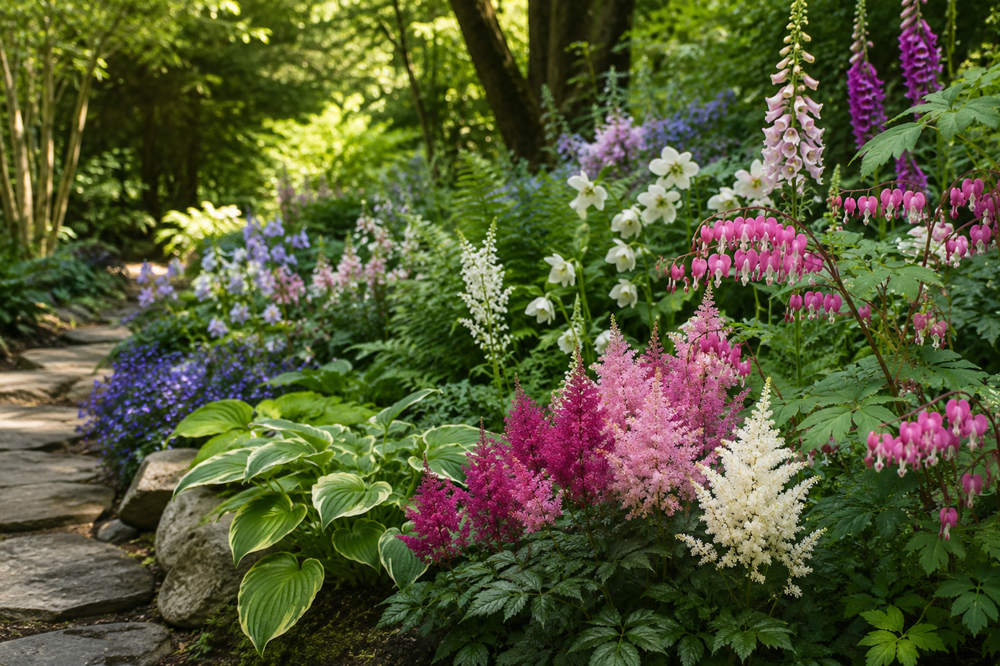
Astilbe is known for feathery flower plumes in white, pink, red, and other soft shades. It generally performs best in light or partial shade and is especially valuable in moist garden beds. Because astilbe dislikes drying out, it is better suited to damp borders than dry ground beneath thirsty tree roots.
2. Bleeding Heart
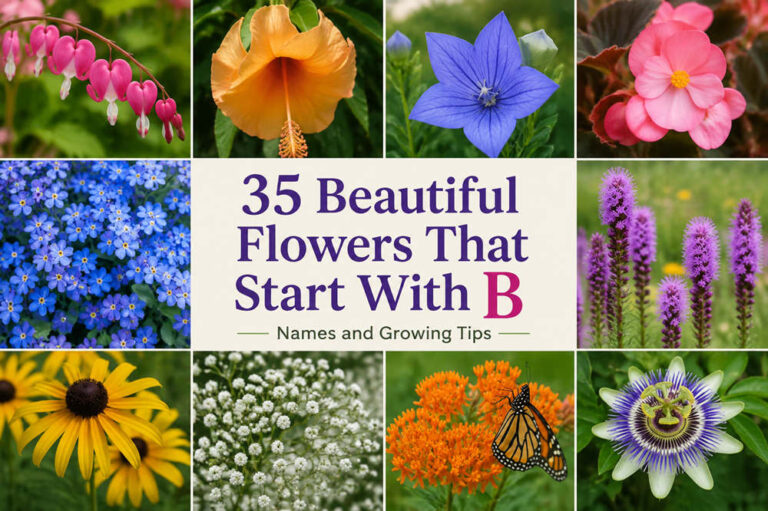
Bleeding heart produces graceful arching stems covered with distinctive heart-shaped flowers in spring. It is particularly attractive in woodland-style gardens with rich, moist soil. Traditional bleeding heart may go dormant during summer, so planting it among later-emerging perennials helps disguise the empty space after its foliage disappears.
3. Impatiens
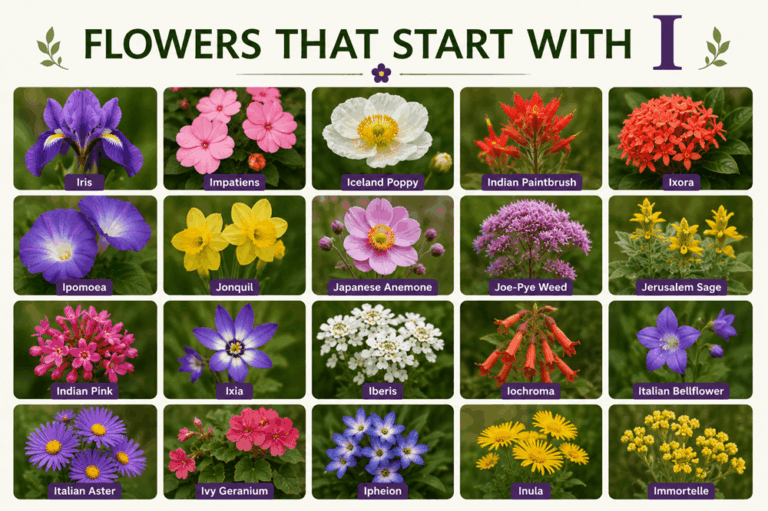
Impatiens are among the easiest ways to bring strong summer color into a shaded bed or container. Their flowers come in red, pink, coral, violet, white, and many mixed shades. They appreciate dependable moisture and protection from strong sun, making them especially useful beneath porches, along shaded paths, and in containers.
4. Begonia
Begonias combine colorful flowers with attractive foliage and work particularly well in pots, window boxes, beds, and hanging baskets. Many types prefer shade over intense direct sun. The University of Minnesota Extension’s begonia guidance notes that begonias generally favor shaded conditions, although light needs vary among different types.
5. Hellebore
Hellebores provide flowers when much of the garden is still dormant. Depending on climate and variety, their nodding blooms may appear from winter into early spring in white, cream, green, pink, burgundy, or purple tones. Once established, these long-lived perennials can become dependable anchors for partially or fully shaded beds.
6. Lungwort
Lungwort offers both spring flowers and decorative foliage. Small blue, pink, or purple blooms appear above leaves that are often spotted or washed with silver. Those pale markings continue to brighten shady areas after flowering ends, making lungwort especially useful near the front of borders and along woodland paths.
7. Foamflower
Foamflower produces airy spikes of tiny white or pink-tinged flowers above attractive leaves in spring. Its low, spreading habit suits woodland gardens and shaded edges. It performs particularly well in organically rich soil that retains moisture and can gradually form attractive colonies when conditions suit it.
8. Columbine
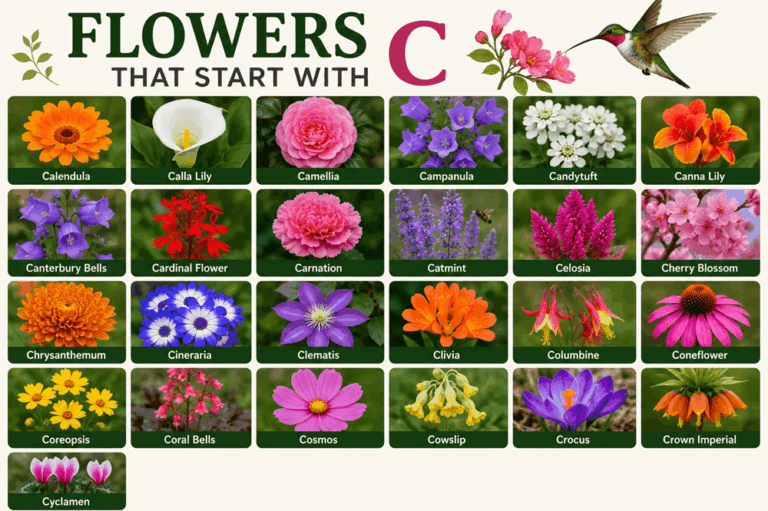
Columbine has graceful flowers with distinctive backward-pointing spurs, giving it a shape unlike almost anything else in the shade garden. Colors include blue, purple, red, yellow, pink, and white. Many columbines flourish in partial or dappled shade and blend naturally with ferns and other spring woodland plants.
9. Coral Bells
Coral bells add more than flowers. Their slender bloom stalks rise above foliage that can be lime green, amber, red, burgundy, purple, silver, or nearly black. This makes them particularly useful for shady beds where foliage color can maintain visual interest between major flowering periods.
10. Virginia Bluebells
Virginia bluebells are spring woodland flowers with pinkish buds that open into clusters of soft blue bells. They make a striking display beneath deciduous trees, taking advantage of brighter spring conditions before the canopy fills in. The plants naturally go dormant later, so companions with summer foliage are useful.
11. Woodland Phlox
Woodland phlox brings loose clusters of blue, lavender, violet, or white flowers to partially shaded gardens in spring. It stays considerably lower than tall garden phlox and works well near the front of woodland borders, where its relaxed growth habit fits naturally among ferns and other native-style plantings.
12. Brunnera
Brunnera is prized for sprays of tiny blue spring flowers and broad heart-shaped leaves. Silver-leaved cultivars are especially effective in dark corners because their foliage remains visually bright long after flowering finishes. Give brunnera protection from hot afternoon sun, particularly in regions with warm summers.
13. Japanese Anemone
Japanese anemones help extend the flowering season into late summer and fall. Tall, wiry stems carry elegant pink or white flowers above the surrounding foliage. They are most useful in partial shade rather than very dark locations and can provide valuable late-season color after many spring woodland flowers have disappeared.
14. Toad Lily
Toad lilies are worth growing for their unusual late-season flowers alone. Small blooms are often covered in intricate purple or reddish spotting, giving them an almost orchid-like appearance. They flower in late summer and fall, making them especially valuable for shaded gardens that need interest toward the end of the growing season.
15. Primrose
Primroses bring concentrated bursts of color close to the ground in spring. Depending on the type, flowers may be yellow, pink, purple, red, blue, white, or multicolored. Many prefer cool conditions and partial shade, making them well suited to protected borders where intense afternoon sun would be too harsh.
16. Wishbone Flower
Wishbone flower, also called torenia, is one of the more dependable flowering annuals for shade. Its trumpet-shaped blooms commonly combine purple, blue, pink, and white tones. A compact habit makes it useful for edging, window boxes, hanging baskets, and containers where many sun-loving annuals would produce few flowers.
17. Fuchsia
Fuchsias are best known for their dangling, often two-toned flowers. They are particularly effective in hanging baskets, where the blooms can cascade over the sides. Bright shade or gentle morning light usually suits them better than intense afternoon sun, although temperature and climate influence how much light individual varieties tolerate.
18. Browallia
Browallia, or bush violet, produces violet-blue, purple, or white flowers over a long period. It thrives in bright shade, dappled light, or locations protected from afternoon sun. Its neat growth and long flowering season make it an appealing alternative to more familiar shade annuals.
19. Annual Lobelia
Annual lobelia forms masses of tiny blue, violet, white, or pink flowers and is often used to spill over containers and hanging baskets. It can also soften the front of a border. In warm regions, some afternoon shade can help it cope with summer heat while preserving its delicate appearance.
20. Flowering Tobacco
Flowering tobacco, or Nicotiana, produces upright stems topped with tubular flowers, and some types release fragrance in the evening. It is better considered a light-shade plant than a deep-shade flower. Some varieties tolerate partial shade especially well in hot climates, where protection from afternoon sun can be beneficial.
21. Foxglove
Foxgloves bring dramatic height to partially shaded borders. Tall flower spikes carry rows of tubular blooms in pink, purple, white, cream, and other shades, often with spotted throats. They suit cottage and woodland-style plantings particularly well. All parts of common foxglove are poisonous if ingested, so placement deserves care where accidental ingestion is a concern.
22. Great Bellflower
Great bellflower produces tall stems of violet-blue, lavender, or white bell-shaped flowers during summer. It performs best with partial rather than deep shade and is useful toward the middle or back of a border, where its upright form can rise above lower woodland plants.
23. Martagon Lily
Martagon lilies bring elegance and height to lightly shaded beds. Their downward-facing flowers have strongly recurved petals and may be pink, white, burgundy, yellow, or spotted. Unlike many lilies associated with bright sunny borders, martagon types can perform particularly well with dappled or partial shade.
24. Yellow Corydalis
Yellow corydalis combines fernlike foliage with clusters of small yellow tubular flowers. Its loose, informal appearance works well around paths, walls, and woodland-style beds. One of its strongest qualities is its potentially long flowering season, which can continue well beyond the main spring display when conditions are suitable.
25. Ligularia
Ligularia stands out because of its bold leaves as much as its yellow flower spikes. It prefers partial or afternoon shade and rich soil that stays reliably moist. This makes it an excellent candidate for damp borders or areas near water, but a poor choice for dry ground beneath large trees.
How to Choose the Right Shade Flowers
Start with the site rather than the flower. Observe the area several times during the day so you know whether it receives gentle morning sun, filtered light, strong afternoon sun, or almost no direct sunlight.
Then check how quickly the soil dries. Two areas with similar light can behave very differently. Soil beside a damp fence or low area may remain moist, while ground beneath a mature tree can be dry because roots compete aggressively for water. Buildings and roof overhangs can create similar dry “rain shadow” conditions.
Climate also affects how much sun a shade-tolerant flower can handle. A plant may accept several hours of direct light in a cool region but benefit from afternoon protection where summers are hotter.
For perennial flowers, check the plant’s mature size and hardiness range as well. Choosing plants that match the site from the beginning is much easier than trying to compensate later with extra watering or fertilizer.
Tips for a More Colorful Shade Garden
- Check soil moisture before watering. Shade can slow evaporation, but tree roots and roof overhangs may make some shady beds unexpectedly dry.
- Use several plant heights. Combine tall flowers such as foxglove or Japanese anemone with medium plants such as astilbe and low growers such as foamflower or lungwort.
- Value foliage as well as flowers. Silver brunnera, spotted lungwort, colorful coral bells, and bold ligularia leaves can keep the garden attractive when few plants are blooming.
- Choose different bloom seasons. A mix of early-, mid-, and late-season flowers creates a longer display than planting everything for one brief peak.
Plan Flowers From Spring Through Fall
Instead of expecting every plant to flower continuously, build the garden around a sequence of bloom times.
Hellebores can begin the display in late winter or early spring. Bleeding hearts, Virginia bluebells, brunnera, foamflower, lungwort, and columbine follow during spring. Astilbe, begonias, impatiens, fuchsias, and other summer flowers keep the garden colorful as temperatures rise. Japanese anemones and toad lilies then provide flowers toward the end of the season.
This approach also makes it easier to appreciate plants for their individual strengths rather than asking a single species to provide color for months.
Can Flowers Grow in Full Shade?
Yes, but the selection becomes smaller as light levels decrease. Plants such as impatiens, begonias, hellebores, foamflower, and some bleeding hearts can tolerate substantial shade, while others on this list are better suited to brighter or partially shaded locations.
Full shade still contains usable daylight. If an area remains extremely dark throughout the day, flowering is likely to be limited even among shade-adapted plants.
Final Thoughts
Growing flowers in shade is less about finding a plant that can survive without sun and more about matching each plant to the light, moisture, and climate of the site.
Use spring woodland flowers for early color, annuals such as impatiens and begonias for a long summer display, and late bloomers such as Japanese anemones and toad lilies to finish the season. With plants chosen for the conditions they naturally prefer, even the quieter corners of a garden can become some of its most colorful spaces.