Does CBD Hemp Oil Increase Appetite? What Current Evidence Actually Shows in Humans
CBD hemp oil does not reliably increase appetite. In human research, CBD has more often been associated with reduced appetite, modest weight loss, or no meaningful change. It also does not usually cause the intense hunger commonly linked to THC. However, individual experiences vary, and a product containing measurable THC may affect appetite differently from a THC-free CBD oil.
CBD Does Not Usually Cause the Traditional “Munchies”
The appetite increase commonly associated with cannabis is primarily connected to tetrahydrocannabinol, or THC. THC activates cannabinoid receptors involved in hunger, food reward, smell, and taste. That activity can make food seem more appealing and may encourage a person to eat more than usual.
CBD, short for cannabidiol, behaves differently. It does not stimulate the same receptors in the same direct way, and it does not generally produce the intoxicating effects associated with THC. Taking CBD oil should therefore not be expected to create the sudden, powerful hunger that some people experience after using high-THC cannabis.
This distinction matters because product descriptions often use broad terms such as cannabis oil, hemp oil, full-spectrum oil, or cannabinoid extract. These products may come from related plants, but they do not necessarily contain the same active compounds or produce the same effects.
What Does the Human Research Show?
The available evidence does not support CBD as a dependable appetite stimulant. A systematic review examining randomized clinical trials found that most included studies reported either decreased appetite, reduced body weight, or both. Some trials found no significant appetite changes, while only one reported an increase. The reviewers also noted limitations in study quality, so CBD should not be viewed as a proven weight-loss treatment either. :contentReference[oaicite:0]{index=0}
Evidence from prescription cannabidiol also points away from appetite stimulation. Epidiolex, an FDA-approved prescription medicine containing purified CBD, lists decreased appetite among its common adverse reactions. This effect has appeared in clinical trials involving people receiving substantially controlled doses of cannabidiol for certain seizure disorders. :contentReference[oaicite:1]{index=1}
That does not mean every person who takes a commercial CBD oil will lose interest in food. Prescription cannabidiol doses and formulations can be very different from over-the-counter products. It does show, however, that CBD itself should not automatically be treated as an appetite-increasing cannabinoid.
Why Do Some People Report Feeling Hungrier After CBD?
Personal reports of increased hunger are not necessarily false, but they do not always show that CBD directly stimulated appetite. Several other explanations may account for the change.
The Product May Contain THC
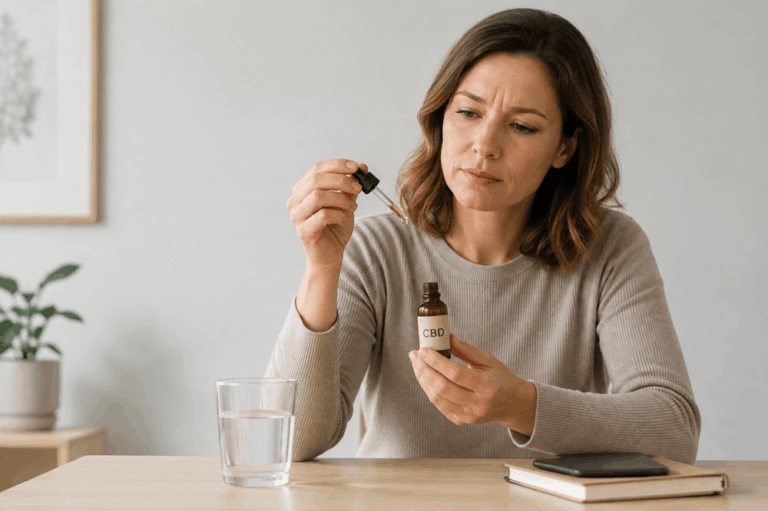
A full-spectrum CBD oil can contain multiple naturally occurring cannabis compounds, potentially including small amounts of THC. The amount may be too low to cause obvious intoxication but could still affect a sensitive person, particularly when larger servings are used.
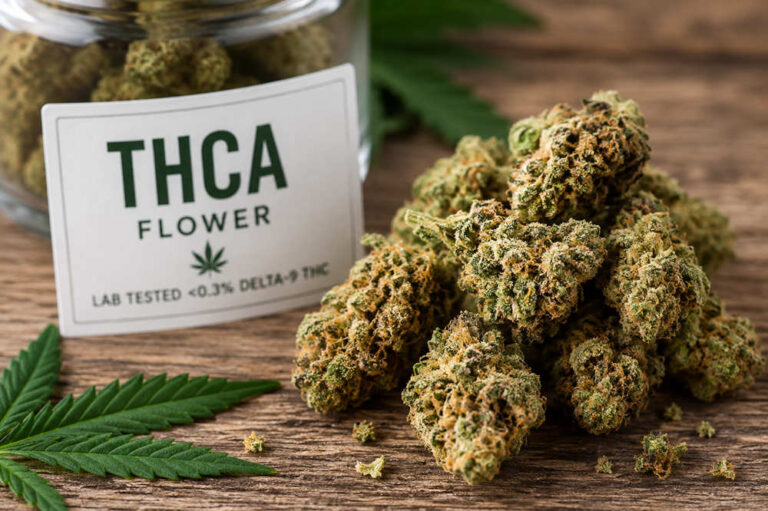
Product labeling is not always enough to establish exactly what is in the bottle. A person trying to avoid THC should examine a current, batch-specific certificate of analysis rather than relying only on phrases such as hemp-derived, non-intoxicating, or natural.
The laboratory report should identify the same batch or lot number printed on the product. It should also show the measured amounts of CBD, delta-9 THC, THCA, and other cannabinoids. A generic laboratory report that cannot be matched to the bottle provides limited reassurance.
CBD May Indirectly Remove a Barrier to Eating
Appetite can be reduced by nausea, stress, pain, poor sleep, medication effects, illness, or digestive discomfort. If someone feels calmer or more comfortable after taking CBD, eating may become easier. The person may interpret this change as CBD creating hunger when it may instead have reduced a symptom that was interfering with normal eating.
This is an indirect effect, and it should not be confused with proof that CBD treats the underlying problem. Research into non-seizure uses of CBD remains inconsistent, with limited evidence for many of the health claims attached to retail CBD products. :contentReference[oaicite:2]{index=2}
Expectations Can Influence the Experience
People frequently associate all cannabis-derived products with increased hunger. That expectation may cause someone to pay closer attention to appetite after taking CBD. A person may also take CBD at night, while relaxing, or shortly before a meal—times when eating would have occurred regardless.
Another possibility is that the CBD is being consumed in a flavored gummy, chocolate, sweetened beverage, or oil-based food. The product itself may become part of a routine that encourages snacking, even when cannabidiol is not directly increasing hunger.
Appetite Naturally Changes From Day to Day
Hunger is affected by sleep, stress, exercise, menstrual cycles, hydration, meal timing, alcohol, medication, and many other factors. A single evening of increased eating after CBD does not establish a cause-and-effect relationship.
A more useful approach is to watch for a consistent pattern. Record the product, serving size, time taken, meals, symptoms, sleep, and other substances used. Repeated observations are more informative than one isolated experience, although they still cannot replace controlled research.
CBD Hemp Oil and Hemp Seed Oil Are Not the Same Product
The phrase “CBD hemp oil” can be confusing because it is sometimes used for two very different products.
Hemp-derived CBD oil is generally made by extracting CBD and other compounds from the flowers and aerial parts of hemp. The extract is then mixed with a carrier oil, such as coconut-derived MCT oil, olive oil, or hemp seed oil.
Hemp seed oil is pressed from hemp seeds and is mainly used as a food or cosmetic ingredient. Hemp seeds do not naturally contain meaningful concentrations of CBD or THC. Any cannabinoids in ordinary hemp seed ingredients are generally present only in trace amounts introduced during harvesting or processing. :contentReference[oaicite:3]{index=3}
Plain hemp seed oil should therefore not be expected to produce cannabinoid-related changes in appetite. It contains dietary fat and calories, but that is different from having a pharmacological appetite effect.
Consumers should check the ingredient panel and the amount of CBD listed per serving. If a bottle says only “hemp oil,” “hemp extract,” or “cannabis seed oil” without stating a CBD quantity, it may not contain a meaningful dose of CBD.
Can CBD Hemp Oil Reduce Appetite?
CBD may reduce appetite in some people. Decreased appetite is a recognized side effect of prescription cannabidiol, and gastrointestinal effects such as diarrhea, nausea, and abdominal discomfort may also make eating less appealing. The National Center for Complementary and Integrative Health lists decreased appetite and gastrointestinal symptoms among CBD’s possible side effects. :contentReference[oaicite:4]{index=4}
The effect is not predictable enough to use CBD as a responsible appetite suppressant. Someone trying to lose weight should not assume that a CBD product will reduce food intake, improve metabolism, or produce sustainable weight loss. Product doses vary, research remains limited, and any weight change may be related to side effects rather than a healthy metabolic benefit.
Likewise, someone already struggling to eat should pay attention if appetite becomes worse after beginning CBD. Continuing a product despite persistent appetite loss, diarrhea, vomiting, or unintended weight loss may delay the investigation of a more important medical problem.
Should You Use CBD to Increase Appetite?
CBD hemp oil is not a well-supported choice for appetite stimulation. People seeking the appetite effects traditionally associated with cannabis may be expecting a THC-like response that CBD does not consistently provide.
Loss of appetite also has many possible causes. It may follow an infection, medication change, digestive condition, dental problem, emotional distress, sleep disruption, or another medical issue. Using CBD to cover the symptom may make it harder to identify why the appetite change occurred.
Medical advice is especially important when appetite loss lasts more than several days, causes unintended weight loss, accompanies vomiting or abdominal pain, or occurs in a child, older adult, pregnant person, or someone receiving treatment for a serious illness.
Check the Product Before Drawing Conclusions
Two bottles described as CBD hemp oil may produce very different experiences. Before deciding that CBD increased or decreased appetite, examine what the product actually contains.
Important details include:
- The number of milligrams of CBD in each serving
- Whether the product is CBD isolate, broad-spectrum, or full-spectrum
- The measured amount of THC in the batch
- The serving size used rather than the total amount in the bottle
- Other cannabinoids, herbs, sweeteners, or active ingredients
- Whether the laboratory report matches the product’s lot number
- Testing for pesticides, heavy metals, solvents, and microorganisms
A full-spectrum product may affect a person differently from purified CBD. A gummy may also contain melatonin, botanical extracts, caffeine, or added ingredients that influence sleep, digestion, energy, or eating behavior.
CBD Can Cause Side Effects and Medication Interactions
CBD is often presented as gentle or harmless because it is plant-derived and usually non-intoxicating. Those descriptions do not mean it is risk-free. CBD can cause sleepiness, changes in alertness, diarrhea, reduced appetite, and other unwanted effects. It can also affect how the body processes certain medications. :contentReference[oaicite:5]{index=5}
Higher or repeated doses have also raised concerns about liver injury. In a randomized FDA study of healthy adults, daily CBD use at consumer-relevant doses produced liver enzyme elevations in some participants, reinforcing that nonprescription use is not automatically without risk. :contentReference[oaicite:6]{index=6}
Anyone taking prescription medicines should discuss CBD with a doctor or pharmacist, particularly when using medications with narrow dosing ranges, sedatives, antiseizure drugs, blood thinners, or medicines affected by liver metabolism. A person should not stop or alter prescribed treatment simply to begin using CBD.
CBD should also be approached cautiously during pregnancy or breastfeeding. The FDA advises against using cannabis-derived products, including CBD, during these periods because of unanswered safety questions and possible contamination or exposure risks. :contentReference[oaicite:7]{index=7}
The Bottom Line
CBD hemp oil does not reliably increase appetite, and it usually does not cause the strong “munchies” associated with THC. Human studies have more often found reduced appetite, modest weight changes, or no significant effect. Decreased appetite is also a documented adverse reaction to prescription cannabidiol.
Someone who feels hungrier after taking CBD may be responding to THC in a full-spectrum product, relief from a symptom that previously interfered with eating, the timing of the dose, another ingredient, or ordinary day-to-day appetite variation.
Before judging the effect, confirm whether the product contains CBD, hemp seed oil, THC, or a mixture of cannabinoids. Most importantly, CBD should not be treated as a proven solution for persistent appetite loss. When difficulty eating continues or causes unintended weight change, identifying the underlying reason is more important than trying to stimulate hunger with an unproven product.