Can Dogs Have Hemp Seeds? Safety, Benefits, Portions, and Important Risks Explained
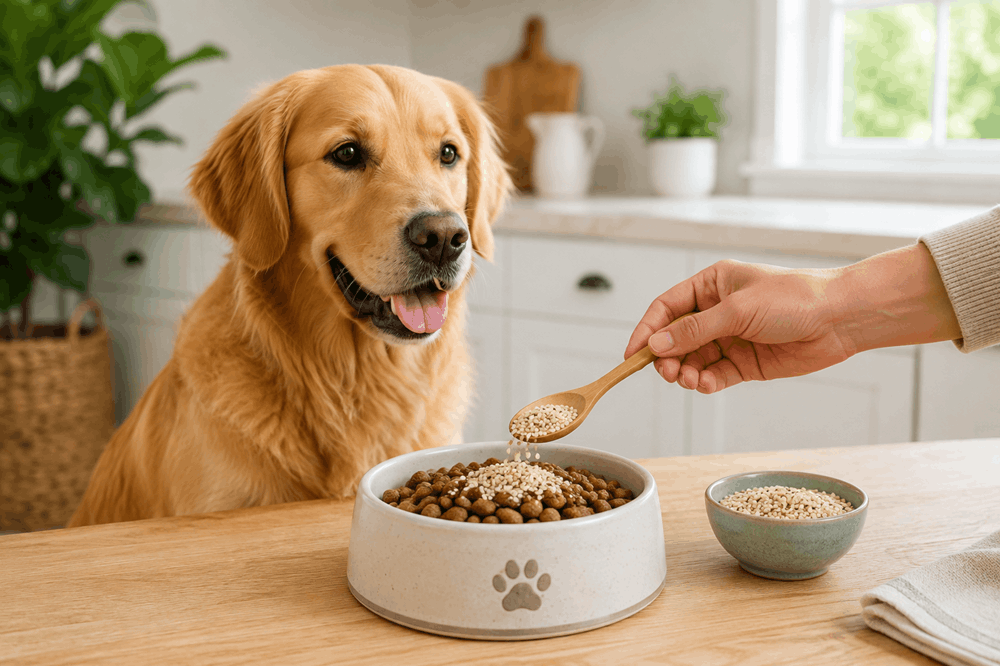
Dogs can generally eat a very small amount of plain, food-grade hemp seeds without developing cannabis intoxication. Hemp seeds naturally contain little meaningful THC or CBD, so they are different from marijuana, CBD oil, hemp flower, and intoxicating hemp products. However, direct research on regularly feeding hemp seeds to dogs is limited, and the seeds are high in fat and calories. They should be treated as an occasional food topper rather than a necessary supplement.
Are Hemp Seeds Safe for Dogs?
Plain hemp seeds are not generally considered equivalent to toxic marijuana plant material. The seeds themselves contain mainly fat, protein, fiber, and minerals rather than concentrated cannabinoids. Any trace THC or CBD found in food-grade hemp seed ingredients usually comes from contact with resin-producing portions of the plant during harvesting and processing.
This means a healthy dog that accidentally eats a few plain hulled hemp seeds is unlikely to become high. That conclusion applies specifically to clean, food-grade hemp seeds without added cannabinoids, flavorings, salt, chocolate, sweeteners, or other ingredients.
There is still an important limitation: hemp ingredients have not received blanket authorization for use in every type of commercial animal food in the United States. Animal-feed ingredients go through regulatory review processes that are separate from those for human foods. AAFCO has also cautioned against assuming that a hemp ingredient is approved for pet food simply because it can be sold for human consumption.
For an individual dog, the practical safety question depends on the product, amount, health history, and reason for feeding it. A few seeds used occasionally are different from adding large spoonfuls to every meal.
Hemp Seeds Are Not the Same as Marijuana
Hemp and marijuana belong to the cannabis family, but hemp seeds are not the resinous flowers responsible for most cannabis intoxication. THC is concentrated primarily in the flowers and nearby plant material rather than inside cleaned seeds.
Marijuana and high-THC products can be poisonous to dogs. Dogs exposed to THC may become unusually sleepy, unsteady, confused, sensitive to sound or movement, or unable to control urination. More serious cases can involve vomiting, changes in heart rate, collapse, seizures, or difficulty breathing.
A package displaying a cannabis leaf is therefore not enough to tell you whether it is safe. You must identify whether it contains:
- Plain hemp seeds or hemp hearts
- Hemp seed oil
- CBD or another concentrated cannabinoid
- Hemp flower
- Delta-8, delta-9, HHC, THCA, or another intoxicating compound
- Additional ingredients that may be unsafe for dogs
The word “hemp” can appear on all of these products even though their effects are very different.
Hemp Hearts and Whole Hemp Seeds
Hemp hearts are hemp seeds with the hard outer hull removed. They are soft, slightly nutty, and easier to mix into food. Whole hemp seeds retain their shell and provide more fiber, but the hard texture may be less useful for dogs that swallow food without chewing.
For a dog, hulled hemp seeds are generally the more practical form because they are softer and easier to portion. They should still be plain and fresh.
Avoid seasoned seed mixtures containing garlic, onion, excessive salt, spicy coatings, artificial sweeteners, chocolate, raisins, or other additions. Onion and garlic can damage canine red blood cells, while chocolate, raisins, and xylitol create separate poisoning risks.
Possible Nutritional Benefits
Hemp seeds contain protein and unsaturated fats, including linoleic acid and alpha-linolenic acid. They also provide nutrients such as magnesium, phosphorus, iron, zinc, and manganese.
Those nutrients sound beneficial, but their presence does not prove that adding hemp seeds will improve a particular dog’s health. A complete and balanced commercial dog food should already provide the protein, fats, vitamins, and minerals needed for the dog’s life stage.
Hemp seeds may add flavor and calories to a meal, but they should not be expected to treat arthritis, anxiety, allergies, heart disease, digestive problems, or skin conditions. Most therapeutic claims involving hemp products concern cannabinoid extracts rather than ordinary seeds, and veterinary research on cannabis-derived products remains incomplete.
Plant-Based Protein
Hemp seeds provide plant protein and contain essential amino acids. However, sprinkling a small amount over dog food contributes only a modest quantity of protein.
A dog should not have its carefully balanced diet replaced with hemp seeds or homemade seed mixtures. The amino acid, vitamin, mineral, and calorie requirements of dogs are more complicated than whether one ingredient is described as a complete protein.
Unsaturated Fatty Acids
The fat in hemp seeds is primarily unsaturated and includes omega-6 and plant-based omega-3 fatty acids. These fats are involved in normal skin, coat, cell, and immune functions.
Hemp seeds should not automatically replace veterinary omega-3 products. Their primary omega-3 is alpha-linolenic acid, which is not nutritionally identical to the EPA and DHA found in fish oil or certain algae products.
If a veterinarian has recommended fatty-acid supplementation for arthritis, skin disease, heart disease, or another condition, use the specific product and dose recommended rather than substituting hemp seeds.
Extra Calories for Some Dogs
Because hemp seeds contain substantial fat, they can add calories in a small volume. That may sound useful for an underweight dog, but unexplained weight loss should be evaluated before calorie-dense toppings are introduced.
Weight loss can result from dental pain, parasites, digestive disease, diabetes, kidney problems, cancer, inadequate food intake, or numerous other conditions. Adding seeds may temporarily increase calories without addressing the reason the dog is losing weight.
Why Too Many Hemp Seeds Can Cause Problems
The most likely problem after eating too many plain hemp seeds is digestive upset rather than cannabinoid poisoning.
A large serving may cause:
- Loose stool or diarrhea
- Vomiting
- Gas
- Abdominal discomfort
- Reduced interest in the dog’s normal food
- Unwanted calorie intake and weight gain
Dogs accustomed to a consistent diet may react to any sudden high-fat or unfamiliar food. The risk is more significant in dogs with a history of pancreatitis, chronic digestive disease, obesity, or medically prescribed dietary restrictions.
High-fat foods can be inappropriate for dogs prone to pancreatitis. Although a few seeds contain only a small amount of fat, an owner who repeatedly pours large quantities over meals can substantially change the diet.
How Much Hemp Seed Can a Dog Have?
There is no scientifically established universal hemp-seed serving for every dog. Appropriate amounts vary with the dog’s size, calorie needs, health, usual diet, and the exact product.
A cautious approach is to use only a light sprinkle rather than a spoonful. Begin with a few hulled seeds and watch for vomiting, diarrhea, itching, reduced appetite, or unusual behavior before offering them again.
All treats, toppers, table food, and other extras combined should generally remain below 10 percent of a dog’s daily calories. At least 90 percent should come from a complete and balanced diet so additional foods do not dilute essential nutrition.
Because hemp seeds are calorie-dense, they can use part of that allowance quickly. Small dogs have much lower calorie requirements than large dogs, so a serving that looks modest to a person may be excessive for a toy breed.
Dogs That Should Avoid Hemp Seeds
Ask a veterinarian before offering hemp seeds to a dog with:
- A history of pancreatitis
- Chronic vomiting or diarrhea
- Food allergies or a veterinary elimination diet
- Obesity or a prescribed weight-loss plan
- Kidney, liver, or gallbladder disease
- A diet requiring controlled fat, protein, phosphorus, or other nutrients
- An upcoming medical procedure
Puppies also have precise growth requirements. Unnecessary supplements and food toppers can disrupt the nutritional balance of a carefully formulated puppy diet, particularly in large and giant breeds.
Can Hemp Seeds Make a Dog High?
Plain, properly processed hemp seeds should not contain enough THC to make a dog high. A dog showing intoxication symptoms after supposedly eating hemp seeds may have encountered another product or a contaminated ingredient.
Possible explanations include:
- The product contained added CBD or THC.
- The dog ate hemp flower rather than seeds.
- The seeds were mixed into a cannabis edible.
- The dog accessed a vape cartridge, gummy, tincture, or concentrate.
- The product contained more THC than its label claimed.
Poorly regulated cannabinoid products may contain unexpected THC concentrations. Veterinary poison specialists advise treating known or suspected THC exposure seriously, regardless of whether the package describes the product as hemp-derived.
What to Do if Your Dog Ate a Large Amount
First, identify the exact product. Keep the package and check the complete ingredient list. Determine whether the dog ate plain seeds or a product containing cannabinoids, chocolate, raisins, xylitol, caffeine, medication, or other potentially dangerous ingredients.
Contact your veterinarian when the amount is large, the product is uncertain, or the dog has a relevant health condition. Do not induce vomiting unless a veterinary professional specifically tells you to do so.
Seek urgent advice if the dog develops:
- Repeated vomiting
- Severe diarrhea
- Extreme sleepiness
- Stumbling or loss of balance
- Urine dribbling
- Tremors or seizures
- Abnormal breathing
- Collapse or inability to wake normally
These neurological symptoms are not expected from a few clean hemp seeds and may indicate THC or another toxic exposure. The ASPCA Animal Poison Control Center can be reached in the United States at 888-426-4435, and a consultation fee may apply.
Hemp Seeds, Hemp Seed Oil, and CBD Oil Are Different
Hemp seeds are the edible kernels of the plant. Hemp seed oil is pressed from those seeds and contains mostly fat. Neither should naturally contain a concentrated CBD dose.
CBD oil is made by adding cannabidiol extracted from resin-producing hemp material to a carrier oil. The carrier may happen to be hemp seed oil, which can make labels confusing.
CBD is biologically active and should not be given to a dog as though it were an ordinary food. VCA advises that cannabidiol be used under veterinary direction, and the FDA has continued to evaluate safety, dosing, product quality, and regulatory questions involving cannabis-derived products for animals.
The Bottom Line
Dogs can generally tolerate a few plain, food-grade hemp seeds, and properly cleaned seeds should not cause a cannabis high. However, hemp seeds have not been proven to provide special health benefits beyond their ordinary nutritional content.
They are rich in fat and calories, so large or frequent servings may cause digestive upset, unbalance the diet, or contribute to weight gain. Dogs with pancreatitis, chronic disease, food sensitivities, or prescribed diets should not receive them without veterinary guidance.
Most importantly, confirm that the product is actually plain hemp seed. Hemp flower, CBD oil, delta-8 products, THC gummies, and other cannabinoid preparations carry very different risks. A dog showing sleepiness, stumbling, urine dribbling, tremors, breathing problems, or other neurological symptoms after a supposed hemp-seed exposure should receive prompt veterinary or poison-control advice.