How Long Can Flowers Go Without Water Before They Begin to Wilt?
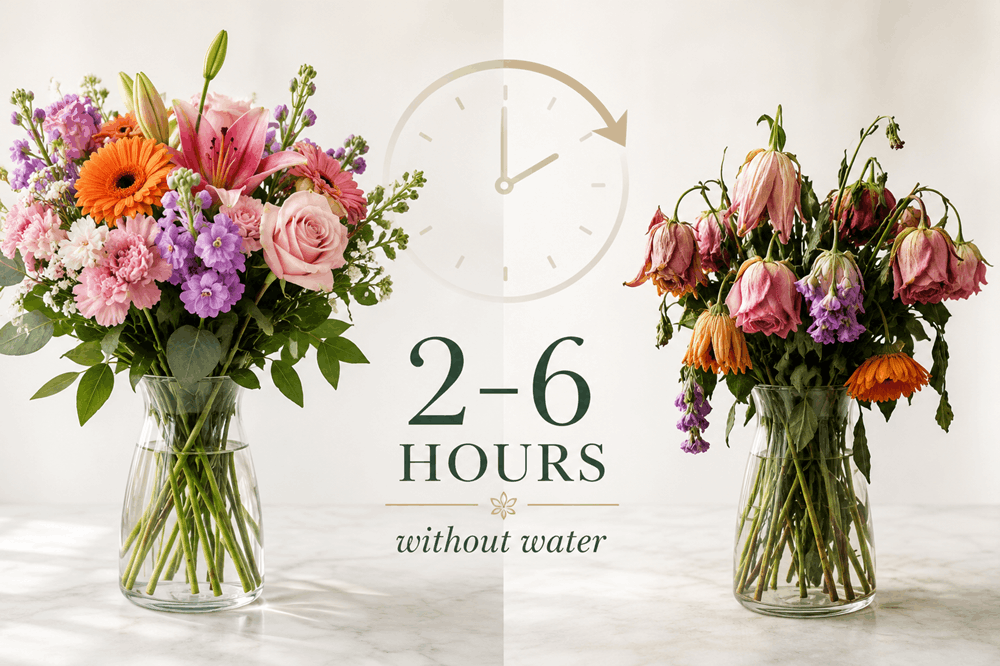
Most cut flowers can survive without water for about two to six hours before noticeable wilting begins, but the exact time depends on the flower type, temperature, humidity, and how recently the stems were cut. Hardy flowers such as carnations and chrysanthemums usually last longer, while hydrangeas, tulips, and delicate garden flowers can lose moisture much faster. Keeping flowers cool and out of direct sunlight greatly increases how long they can remain out of water.
How Long Can Cut Flowers Stay Out of Water?
A freshly cut bouquet will usually tolerate a short trip home from the florist without serious damage. Under comfortable indoor temperatures, many common flowers can remain out of water for approximately two to four hours.
After that point, dehydration becomes increasingly noticeable. Petals may soften, stems may bend, and leaves can begin to droop.
Some flowers recover well once they are trimmed and returned to fresh water. Others may suffer permanent damage if they remain dry for too long.
As a general guide:
- Less than 2 hours: Usually safe for most fresh-cut flowers.
- 2 to 4 hours: Most flowers remain usable, especially in cool conditions.
- 4 to 6 hours: More delicate flowers may begin wilting.
- 6 to 12 hours: Significant dehydration is likely for many varieties.
- 12 to 24 hours: Survival becomes highly dependent on the species and environment.
- More than 24 hours: Most ordinary cut flowers will be severely wilted or damaged unless stored under specialized conditions.
These times are estimates rather than guarantees. A bouquet left for two hours inside a hot car can deteriorate much more quickly than flowers kept dry for five hours inside a cool, shaded room.
Why Flowers Wilt Without Water
Cut flowers continue losing moisture after they are removed from the plant. Water evaporates from the petals and leaves through a process called transpiration.
While the flower was attached to the plant, its roots continually replaced lost water. Once the stem is cut, that supply stops until the flower is placed in a vase.
If water loss happens faster than the stem can replace it, cells lose pressure and the flower begins to droop.
This is why wilted petals often feel soft rather than crisp. Their cells no longer contain enough water to remain firm.
A flower may recover when placed back in water if the dehydration has not gone too far. Severe dehydration, however, can damage tissues permanently.
Temperature Makes a Major Difference
Temperature is one of the most important factors determining how long flowers survive without water.
Warm conditions accelerate water loss. A bouquet left in direct sunlight, beside a heater, or inside a parked car may begin showing damage surprisingly quickly.
Cool conditions slow respiration and moisture loss. This is one reason florists keep cut flowers inside refrigerated coolers.
If you must transport flowers without water, keep them:
- Out of direct sunlight
- Away from heating vents
- Out of a hot car trunk
- Away from radiators
- In the coolest practical part of the vehicle or room
Never assume air conditioning will protect flowers left inside a parked vehicle. Once the engine is turned off, the interior can heat quickly.
How Long Can Roses Go Without Water?
Fresh roses commonly tolerate around four to six hours without water under cool conditions. However, they may wilt much sooner in heat.
Roses lose moisture through their leaves and petals, and the flower heads are relatively large compared with the stems supporting them.
A dehydrated rose may develop a soft stem just beneath the bloom, causing the flower head to bend downward.
To revive roses, trim approximately half an inch from the bottom of each stem at an angle and place them immediately into clean, lukewarm water.
Allow them several hours in a cool room before deciding whether they have permanently wilted.
How Long Can Tulips Go Without Water?
Tulips are more sensitive to dehydration than many tougher cut flowers. They may begin drooping after only two to three hours without water, particularly in warm conditions.
Tulips naturally bend and continue growing after being cut, so some movement does not necessarily indicate dehydration.
However, extremely soft stems and limp petals usually mean they need water quickly.
Place dehydrated tulips into clean, cool water after trimming the bottoms of their stems. A tall vase can provide support while they recover.
How Long Can Hydrangeas Go Without Water?
Hydrangeas are among the flowers least suited to long periods without water. Their large flower heads lose moisture rapidly and can begin wilting within one or two hours under unfavorable conditions.
Cut hydrangeas should ideally be placed in water immediately after harvesting or purchasing.
If one wilts, trim the stem and place it into fresh water. Some florists also submerge the flower head in cool water for a short period because hydrangeas can absorb moisture through their petals and sepals.
Even with treatment, severely dehydrated hydrangeas may not recover fully.
How Long Can Carnations Go Without Water?
Carnations are relatively durable. Healthy stems may survive six hours or longer without water when kept cool.
Their petals are firmer and their stems tolerate transportation better than many delicate garden flowers.
This durability is one reason carnations are commonly used for weddings, events, corsages, and arrangements that may spend time outside a vase.
They still last longer when returned to fresh water as quickly as possible.
How Long Can Chrysanthemums Go Without Water?
Chrysanthemums are another hardy cut flower. Under cool conditions, they can often remain out of water for several hours without obvious damage.
Some may tolerate six to eight hours better than roses, tulips, or hydrangeas.
However, their foliage can still lose moisture. Remove damaged leaves and recut the stems before placing them back into a clean vase.
How Long Can Sunflowers Go Without Water?
Sunflowers have thick stems but large flower heads and leaves that can lose substantial moisture. They usually perform best when they are never allowed to dry completely.
A few hours without water is generally manageable, but hot weather can make them wilt quickly.
Because sunflower stems consume a surprising amount of water once arranged, check the vase frequently after bringing them home.
How Long Can Flowers Survive in a Car?
A car can be one of the worst environments for fresh flowers. Interior temperatures can rise quickly, even when outdoor conditions feel mild.
A bouquet that might last four hours without water indoors could begin deteriorating within an hour inside a warm vehicle.
For transportation:
- Use the air conditioner during warm weather.
- Keep the bouquet away from direct window sunlight.
- Place it upright so stems and petals are not crushed.
- Use a bucket or travel container with water for long journeys.
- Take flowers inside whenever you stop for an extended period.
Do not leave wedding flowers, bouquets, or floral arrangements in a parked vehicle while running errands.
How to Transport Flowers Without a Vase
If the journey is short, wrap the bouquet carefully and keep it cool. For longer trips, give the stems access to moisture.
A simple method is to wrap the bottom few inches of the stems with damp paper towels. Cover the wet towels loosely with a plastic bag to slow evaporation.
This does not replace a vase, but it can provide temporary moisture during transportation.
For valuable wedding or event flowers, use a bucket or florist transport box that holds the stems securely in water.
Keep flower heads separated enough to prevent bruising.
Can Flowers Recover After Wilting?
Many flowers can recover from mild dehydration. Wilting does not always mean the flower is dead.
To improve the chances of recovery:
- Fill a clean vase with fresh water.
- Remove leaves that will sit below the waterline.
- Trim approximately half an inch from each stem.
- Make the cut with a sharp knife or clean pruning shears.
- Place the flowers in water immediately.
- Move the arrangement into a cool, shaded location.
- Allow several hours for the stems to rehydrate.
Do not immediately discard a bouquet just because the flowers look tired after transportation. Some varieties regain much of their firmness after several hours of proper hydration.
Why Recutting the Stems Helps
The exposed end of a cut stem can dry out while the flower is away from water. Air bubbles and damaged plant tissue may also interfere with water movement.
Removing a small portion of the stem exposes fresher tissue and can improve water uptake.
Cutting at an angle helps prevent the bottom of the stem from sitting completely flat against the vase.
Use a sharp blade rather than crushing the stem with blunt scissors.
Should You Put Flowers in the Refrigerator?
Cool temperatures can extend flower life, which is why professional florists use refrigerated storage. A household refrigerator can sometimes be useful, but it has limitations.
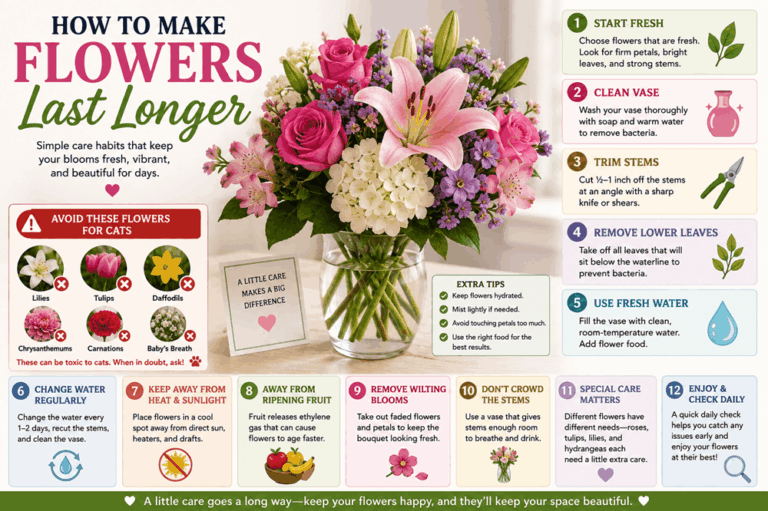
Fruit such as apples, bananas, pears, peaches, and avocados releases ethylene gas. Ethylene accelerates aging in many flowers and may cause petals to fall prematurely.
If you refrigerate a bouquet temporarily, keep it away from produce and make sure the temperature is not close to freezing.
Tropical flowers may also suffer when kept too cold.
How Long Can a Wedding Bouquet Go Without Water?
A wedding bouquet may spend several hours outside water during photographs, transportation, and the ceremony.
Most professionally prepared bouquets are conditioned thoroughly beforehand, which improves their ability to tolerate temporary dryness.
Even so, returning the bouquet to water whenever possible can help preserve it.
Keep a vase or container nearby during breaks. Avoid setting the bouquet on hot pavement, in direct sunlight, or inside a warm vehicle.
Hydrangeas and other thirsty flowers require much more careful management than carnations, orchids, or chrysanthemums.
How to Keep Flowers Fresh Before Giving Them as a Gift
If you purchase flowers several hours before giving them to someone, keep them in water rather than leaving them wrapped on a table.
Trim the stems, place them into a clean bucket or vase, and store them in a cool location.
Shortly before giving the bouquet, remove it from the water, dry the ends, and wrap it appropriately.
This allows the flowers to remain hydrated for most of the waiting period rather than spending unnecessary hours drying out.
Signs Flowers Have Been Without Water Too Long
Look for:
- Completely limp stems
- Wrinkled or transparent petals
- Dry, crispy leaf edges
- Flower heads bending sharply downward
- Petals falling after gentle handling
- Brown or dried stem ends
- Leaves that remain wilted after several hours in water
A flower that remains limp after recutting and several hours of hydration may have suffered irreversible damage.
The Bottom Line
Most cut flowers can go about two to six hours without water under cool indoor conditions. Tough flowers such as carnations and chrysanthemums may last longer, while hydrangeas, tulips, and other moisture-sensitive blooms can wilt much sooner.
Heat matters as much as time. Flowers left in direct sunlight or inside a warm car may deteriorate within an hour or two, while the same bouquet could remain usable for several hours in a cool shaded room.
Whenever possible, keep cut flowers in clean water. If they must travel dry, keep them cool, protect them from crushing, and provide temporary moisture around the stem ends. Once they reach their destination, trim the stems and return them to fresh water immediately. Quick rehydration gives wilted flowers their best chance of standing upright and lasting for several more days.